Portfolio - Elizabeth Stewart
Role: WordPress Designer Developer
WordPress design, development, management
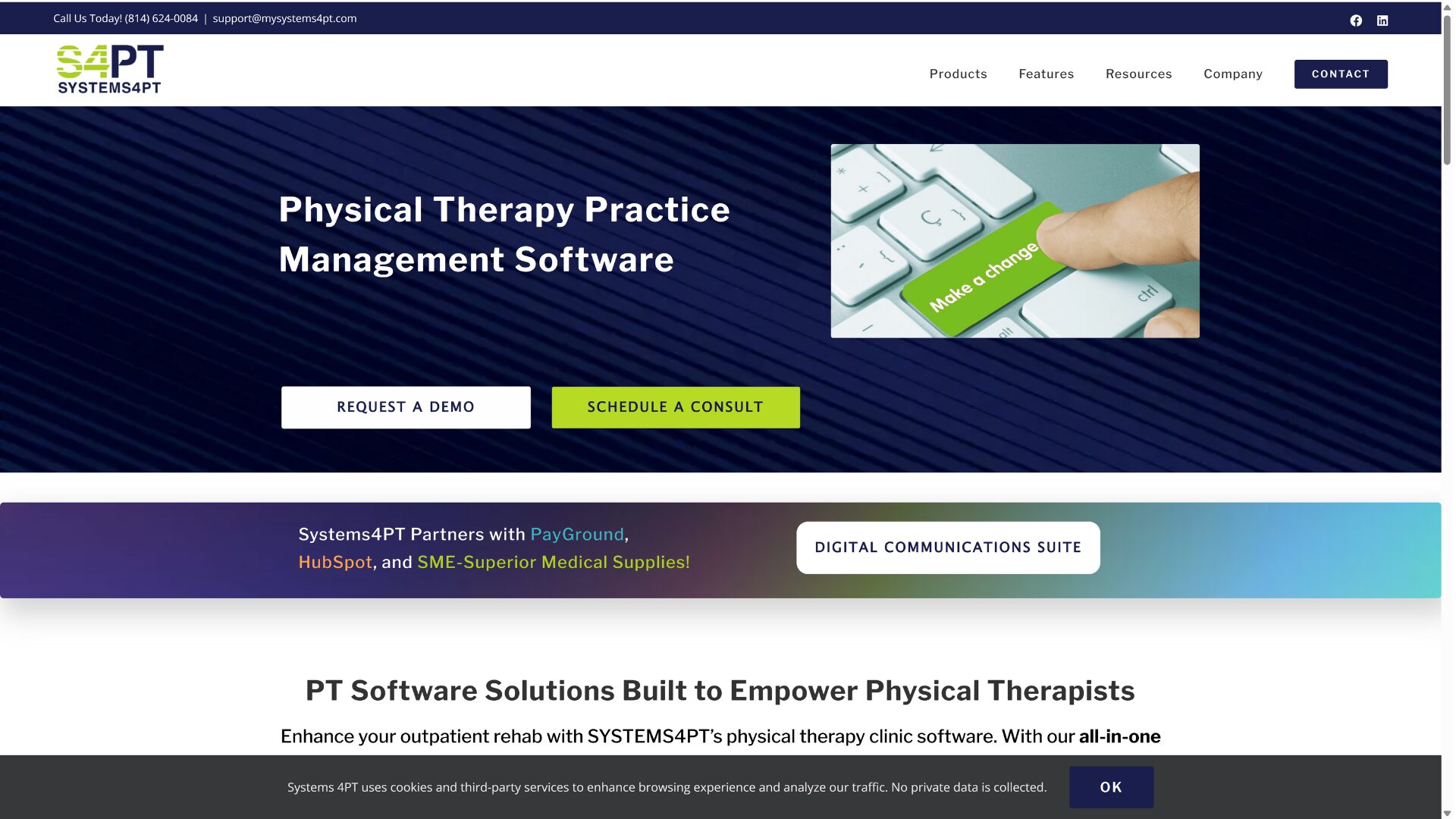
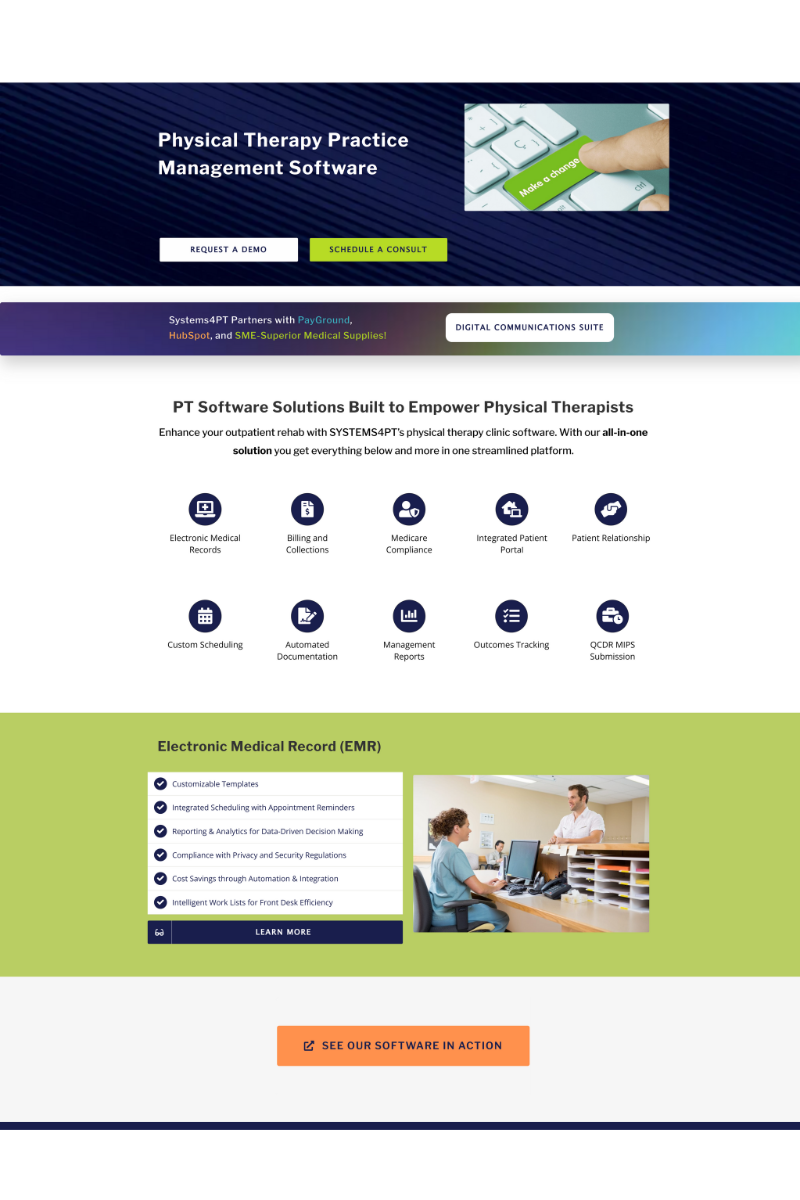
Project Summary: Website rebranding, creating new imagery, copy, and graphics, while implementing SEO optimization and resolving over 2,000 technical errors to improve performance and user experience.

How I approached the project...
To begin this project, I focused on identifying errors, user experience issues and performance bottlenecks, and poor SEO throughout the 70 page website. I conducted a comprehensive website audit using SEMrush, and assessed page load speeds through GTMetrix and Lighthouse. These tools revealed slow plugins, broken features, and implementation practices that were hampering the site’s performance and increasing vulnerabilities.
I conducted additional research by analyzing competitor websites, reviewing customer feedback, and referencing industry best practices. Based on this research, I created visual mockups in Sketch and Figma to present proposed design and structural changes to stakeholders for approval.
To ensure minimal disruption to the live site during the redesign, I began the process by setting up a staging site. I used the Avada theme to achieve the desired layout and structure, customizing each page to meet specific goals. Notably, the previous website lacked a formal Contact page, and the site’s conversion rate was only 0.30%. After adding the new contact page with a trackable form, conversions increased to 3.0%.
Requirements & Actions Taken
- Development & Testing: Created a staging site for testing and development, then merged it seamlessly with the primary site.
- Plugin Management: Removed unused and ineffective plugins that were slowing down the site.
- SEO Optimization: Eliminated duplicate content to improve SEO, developed a targeted keyword strategy, and implemented relevant keywords across all pages.
- Meta Data & Image Optimization: Added META data to all pages and posts, decreased image file sizes without sacrificing quality for faster load times.
- Performance & Security: Installed stable, performance-enhancing plugins and security measures.
- Contact Page Creation: Designed and integrated a new Contact page with a trackable form, significantly boosting conversion rates.
- Branding Update: Updated logos, company taglines, and ensured consistency in the spelling of the company name. Also revised the site’s color scheme for a more cohesive look.
- Link & Content Fixes: Replaced or removed broken links, images, and outdated pages to improve user experience.
- Collaboration: Worked closely with the company president and customer liaison officer to align the website with the company’s mission and goals.
SEO (strategy and implementation)
My approach to SEO for this WordPress site involved 3 primary strategies:
1) On-site optimization – structuring the page with semantic elements, using proper headers and heading hierarchy, images that are clear and crisp using non-lossy compression tools to reduce file size, prop alt-tags, clearly labeled forms, buttons, and links. All copy was analyzed for relevenancy and value – and edited to ensure readability, context to search queries, and high-value for audiences.
2) Keyword research and implementation – using Semrush and Google Analytics reports, I researched the top keywords our target audience used when searching for PT industry software. Keywords were organized by content and page relevence then implemented into Headings (h1-h3), content copy, image descriptions when applicable, page titles, slugs, and meta data.
3) Backlink builiding – using Semrush backlink tool, we analyzed competitors backlinks, and our own existing backlinks for not just quantity, but quality. We began a strategy to research and identfy ideal websites to reach out to for backlinking – eg: software comparison sites that had yet to feature our SAAS as an option. Industry blog writers, our own clientele’s websites, business parnters and associations, and industry-specific directories.
SEO Tracking & Monitoring
Ongoing Maintenence and Updates
After the initial website launch, I dedicated three months to strengthening our SEO foundation and ensuring reliable site performance. This included restructuring blog articles for clarity and readability, consolidating duplicate content, and developing a site-wide keyword strategy aligned with business goals and audience intent. I implemented on-page SEO best practices – optimizing titles, meta descriptions, internal linking, and schema where applicable – while also administering WordPress updates, managing themes and plugins, and maintaining regular backups to ensure security and stability. In addition, I collaborated with our hosting provider to resolve uptime and server issues, ensuring the website remained fast, secure, and accessible. These combined efforts improved content quality, search rankings, and overall user experience.
Social media planning, content creation, & management
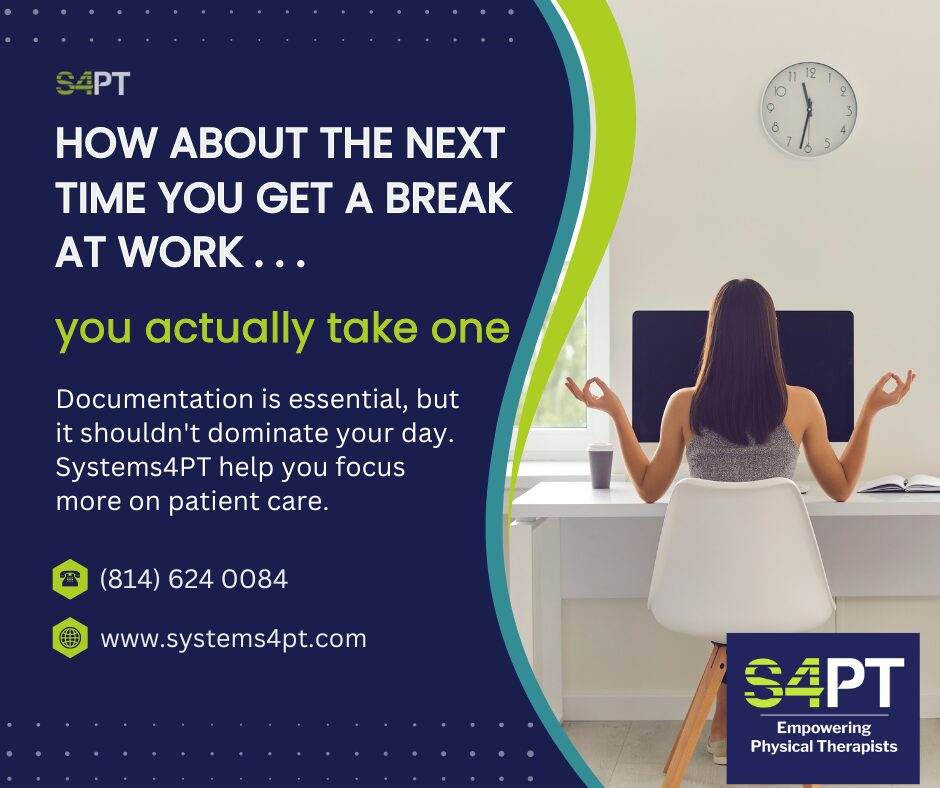
Role: Responsible for creating and executing social media campaigns, including developing post ideas, writing copy, designing graphics and images, and ensuring content aligns with brand themes. Manages the scheduling, posting, and tracking of content across platforms, analyzing performance to optimize engagement and achieve business goals.
Summary: Revamp the Company’s LinkedIn and Facebook social media accounts after nine months of stagnancy. Post 2x a week, including B2B-focused ads, content for the target audience of physical therapists, holidays, and relevant themes.



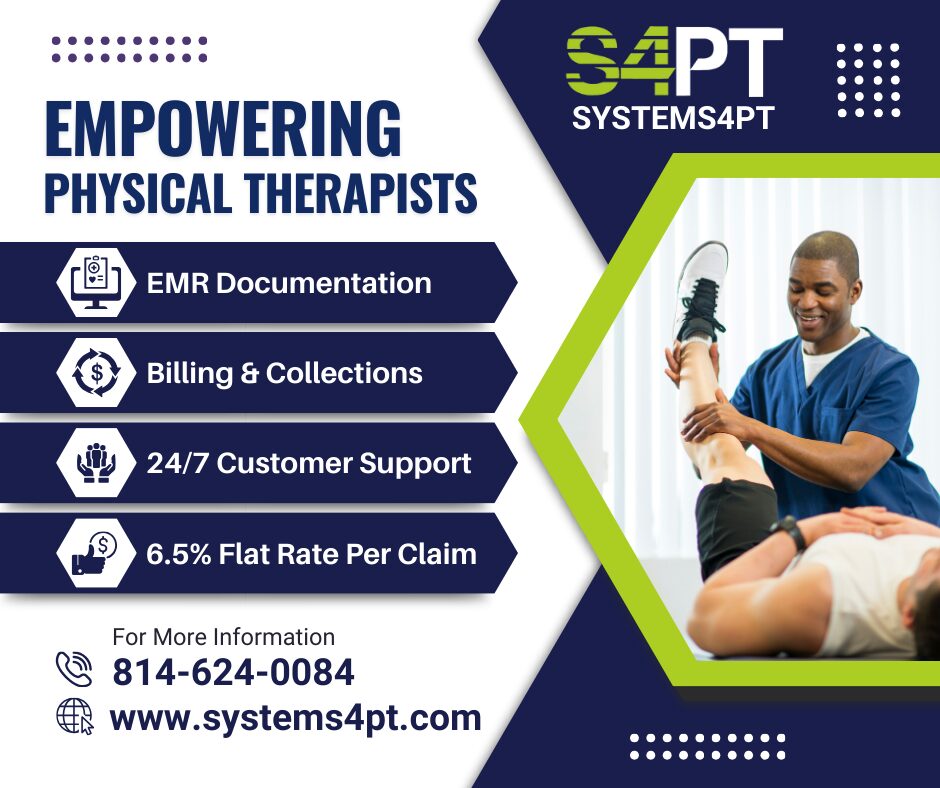
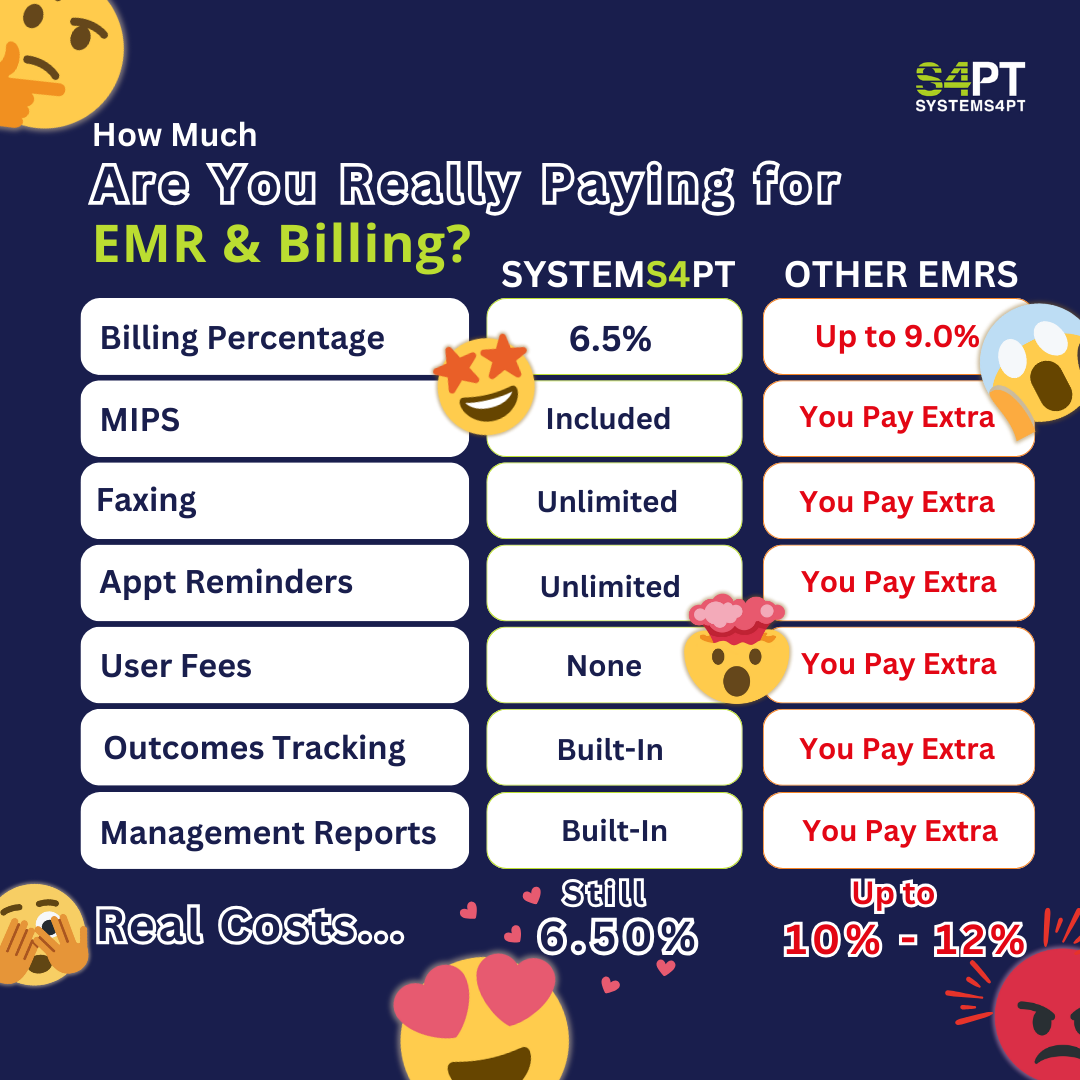

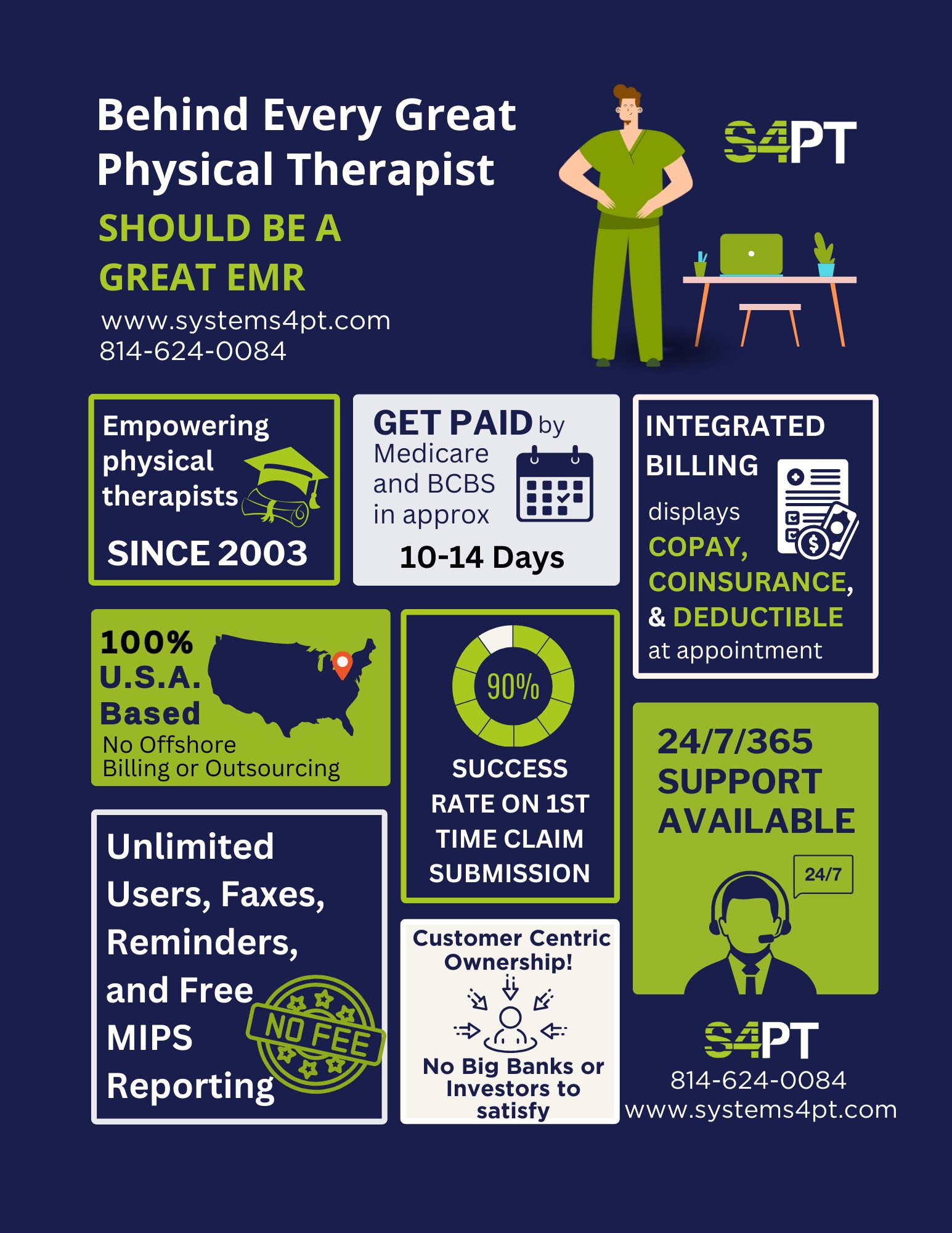
I utilized Trello for organizing content ideas, tracking their progress, and requesting feedback from stakeholders.

How I grew social media interaction and followers
Prior to my role as social media content creator for Systems4PT’s in late June of 2024, the company’s social pages had a follower count of 609 on LinkedIn and 667 on FaceBook (their two primary platforms) with an average interaction rate of .01% – 1.5%.
While competitors had larger follower numbers, their interaction percentages were similar due to having a non-organic follower base.
The first social campaign was to last 6 months and include posting 2x a week with fresh content and repurposed blog articles. The primary goal of my first independent campaign is to increase engagement with current followers to at least 3%. I would do so by creating organic content that focused on the issues our users were experiencing with industry challenges.
After the campaign, LinkedIn followers had grown to 620 on LinkedIn and FaceBook to 670. Engagement increased to an average between 4%-6.8% (see our LinkedIn engagement growth below for the year of 2024! While it may not seem like much, for a small software company with a very small target audience (outpatient physical therapists), these numbers are a reflection of organic growth from valuable content.


Print Magazine
Role: Copywriter, Content and Graphic Design, Print Product manager
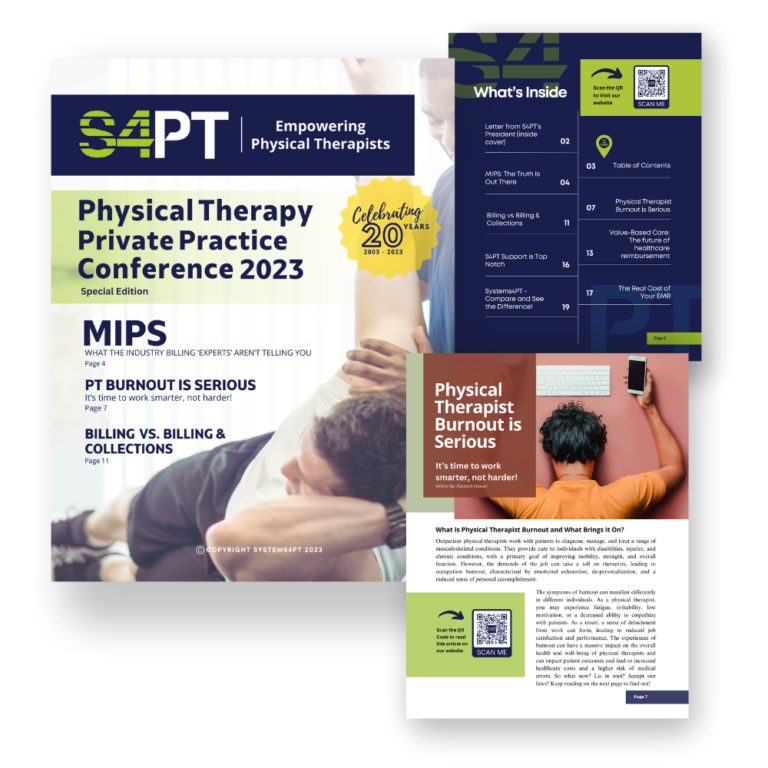
Project Summary: Create a 20-page magazine and 5 informational tri-fold fliers utilizing engaging visuals and layouts. Features include marketing content and 5 well-performing blog articles from the company website. A 2-week draft due date placed a heavy time constraint on the project. Project draft was completed 1 day prior to due date with all edits complete and sent to print 3 days prior to final due date.
How I approached the project...
I was approached for this project by members of the marketing team requesting print versions of popular blog articles and information about our software for an industry conference in the fall of 2024. With only 6-weeks to complete my first print project, I utilized Figma for a whiteboard to brainstorm, and an Adobe Illustrator template to begin mockups of a cover and several articles and one-page pieces.
The magazine featured some of our mocent recent articles that touched on the latest industry and software updates. All layouts, colors schemes, and images were designed and sourced by myself. Articles were authored by multiple team members, with one of my articles “Physical Therapist Burnout” included, as well.
The magazine came together quickly but not with out hiccups. Some contributions came in less than 48 hours before “send for proof” deadline. Luckily, I work well under pressure and was able to deliver quality work even when assets came in last minute.
It was the company’s first print magazine for an industry conference and turned out great. In additon to the magazine, I also designed multiple trifold handouts that highlighted our software’s features through screenshots and detailed bullet lists (due to an NDA I am unable to share those tri folds here as they contain propriety information).
Copy and Content Writing
My Personal Blog

SEO, Keywords, Digital Marketing
SEO, Keywords, Digital Marketing for Creatives & Problem Solvers SEO is one of those amazing fields where creativity and logic collide – and that’s exactly why I love it. At

You can be unsure and still be ready
Embracing uncertainty is something worth practicing. It reminds us that we can handle outcomes we haven’t even imagined yet.
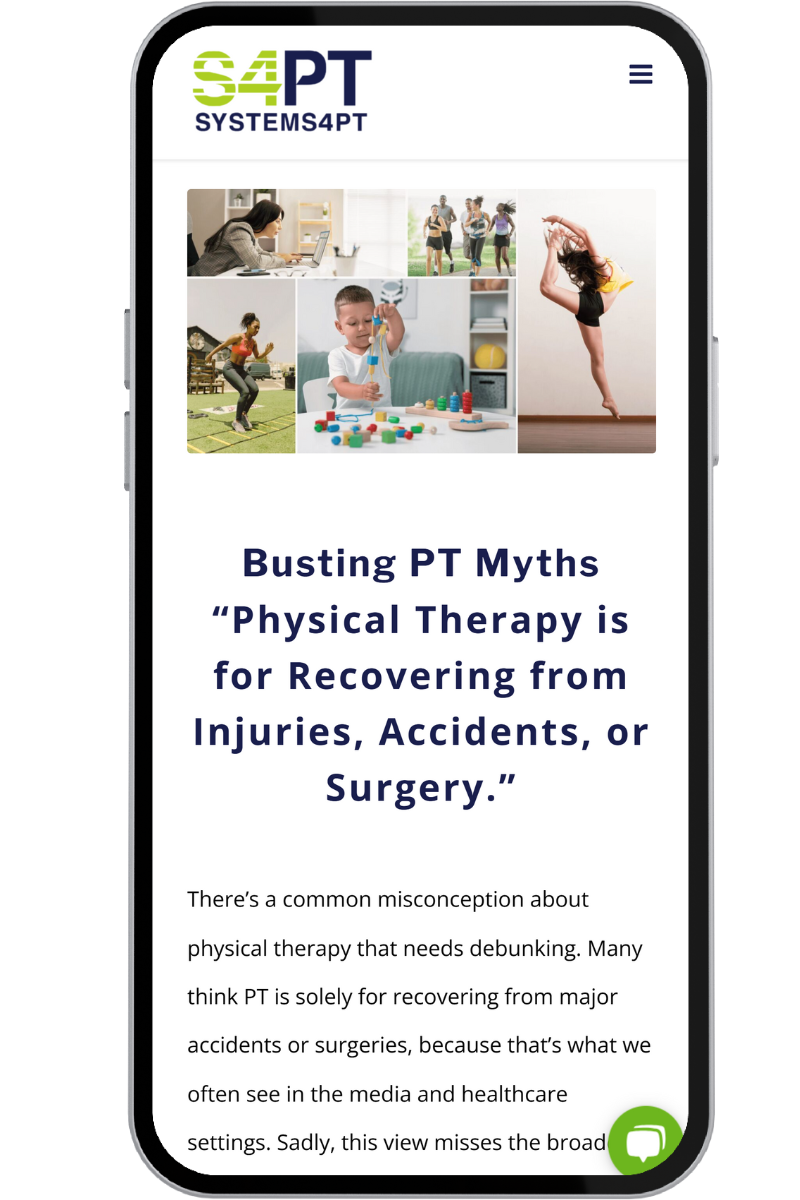
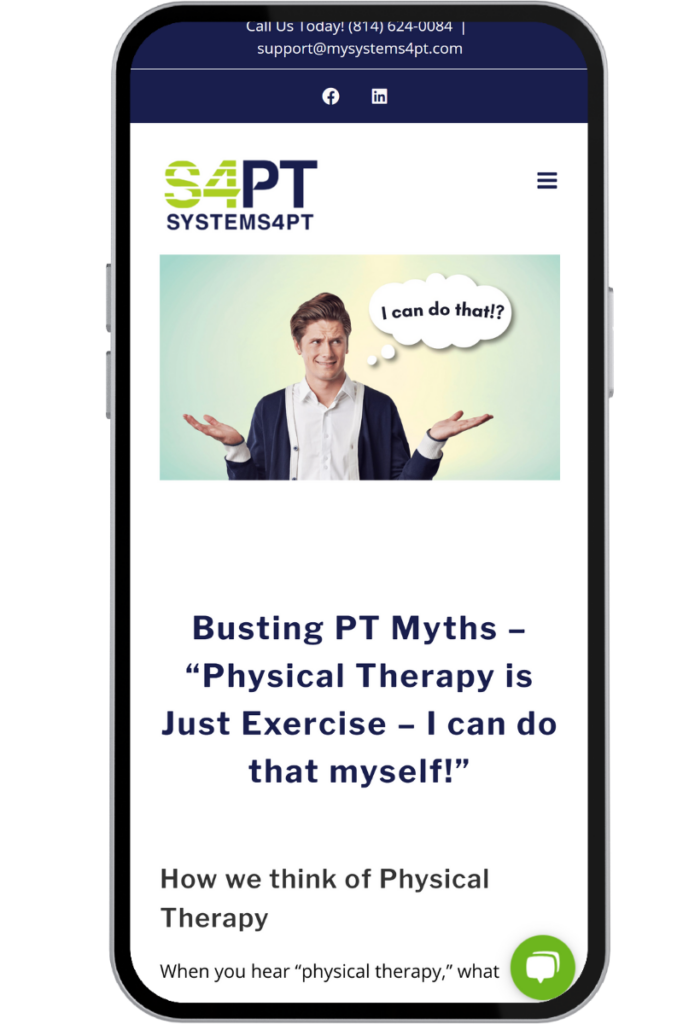
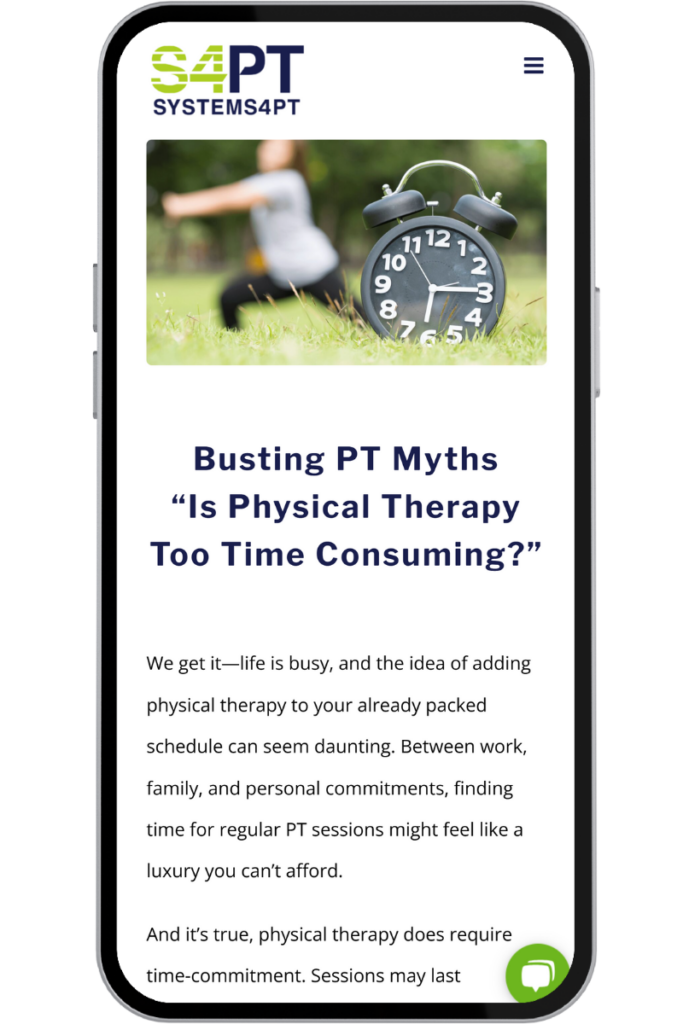
Blog for Physical Therapy Industry
Graphics and Ads
Role: Create marketing graphics for marketing campaign with provided copy.
Project Summary: Create ads, graphics, and copy that align with a business’s brand, tone, and overall messaging to effectively engage their audience.



How I approached the project...
The client (Lafayette Ballet Theatre) requested graphics for social media posts to promote their upcoming auditions and two performances. Using the provided text and copy, I created visually appealing graphics that aligned with their color theme and brand voice, which were then used across their social media platforms to effectively engage their audience.
Small Business Website
Role: WordPress Designer Developer
Project Overview
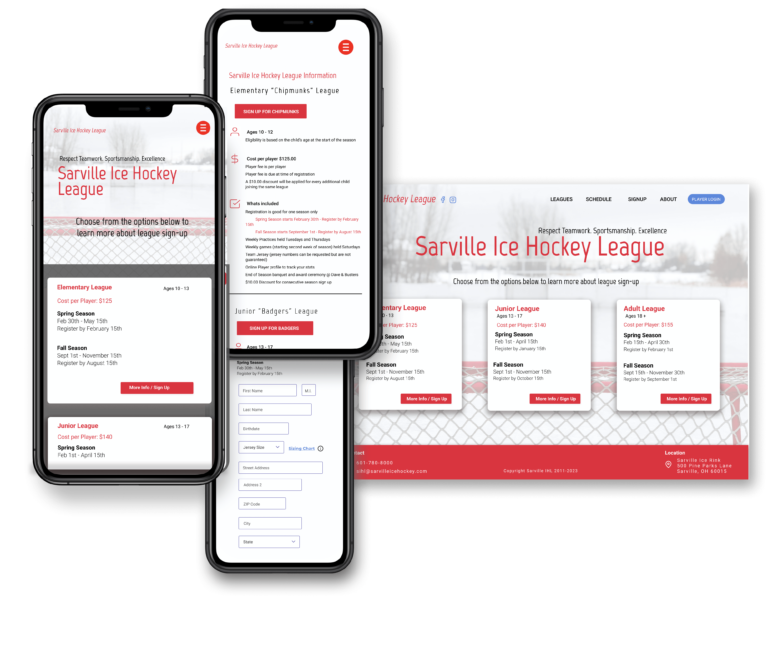
Small Ice Hockey League needs a website where the public can view league information, sign up to play for the league, and view game schedules and scores.
Requirements
- Mobile Friendly and WCAG 2.2 Accessibility compliant
- Data secure league sign-up forms
- Game Schedule
- Game Scores
- League admin access to add game scores
How I approached the project...
I visited the Sarville ice hockey rink and gathered the following research and resources:
- Current paper league sign-up forms, information packets, waivers, etc.
- Marketing fliers and school hand-out forms currently used to promote the league.
- Photos of the outdoor ice rink and samples of league colors
- Observed users completing forms – one adult (aged 56) and one teen (aged 17) completing paper forms
- Reviewed three weeks’ worth of emails (42) and voicemails (19) received by league administrators regarding public inquiries about the league.
Small business website
Role: WordPress Designer/Developer
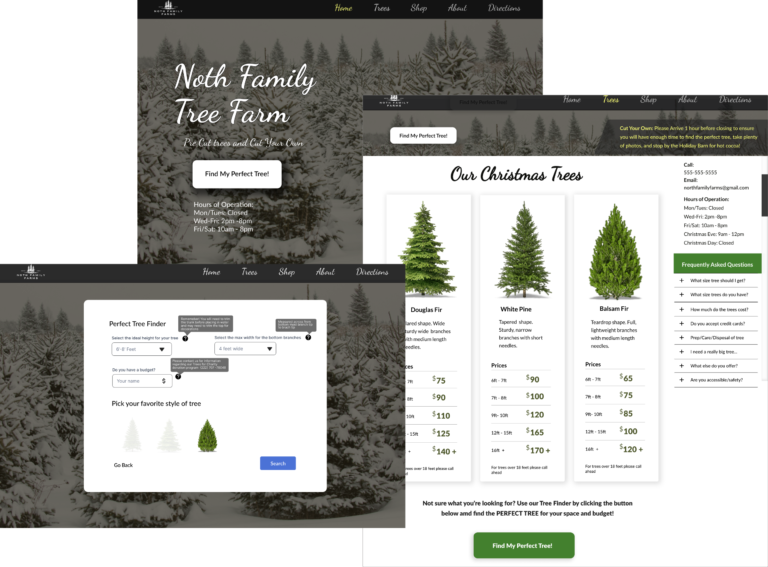
Introduction: Noth Family Tree Farm has been growing Christmas trees for 23 years using only a social media business page to advertise and act as their online presence. Business has almost tripled in the last 5 years, and questions from social media & phone calls during the busy holiday season were becoming difficult for a lean staff.
Project Summary: Noth Farms is looking for a simple website with 3 main goals and 1 interactive feature. Users will consist of the general public as well as local businesses in need of an evergreen tree for an event or holiday
How I approached the project...
I began with a discovery meeting with the manager and co-owner of Noth Farms, Julie Noth where I have her answer the following questions that help me align with the client's needs, expectations, and objectives right from the start:
- What is the primary goal of the website?
- Are you aiming to inform, sell, showcase a portfolio, provide a service, or something else?
- Who is your target audience?
- What are their demographics (age, gender, interests)?
- How do you want them to feel or act when they visit the site?
- Do you have a brand or design guidelines?
- Do you have a logo, color scheme, fonts, or other visual assets?
- What’s the tone and style you want for the website (e.g., professional, friendly, minimalist)?
- What functionality do you need?
- Do you need an online store, booking system, blog, contact forms, or any special features?
- Do you have a preferred platform or CMS?
- WordPress, Shopify, Wix, custom HTML, etc.
- Or are you open to suggestions?
- What are your content requirements?
- Will you be providing all the text, images, and videos, or do you need help creating that content?
- Who are your competitors or similar websites?
- Are there websites you admire or want to differentiate from?
- Do you need SEO or marketing support?
- Do you want your website optimized for search engines?
- Will you be needing content strategy, keyword research, or social media integration?
- What is your timeline and budget?
- When do you need the website to be live?
- What is your budget range for the project?
- Do you need ongoing maintenance or updates?
- Will you need help with site updates or technical support after the site is live?